 Mitlesen
Zeitumstellung am Sonntag: Immer weniger Menschen stört der Wechsel
Clock change on Sunday: fewer and fewer people are bothered by the switch
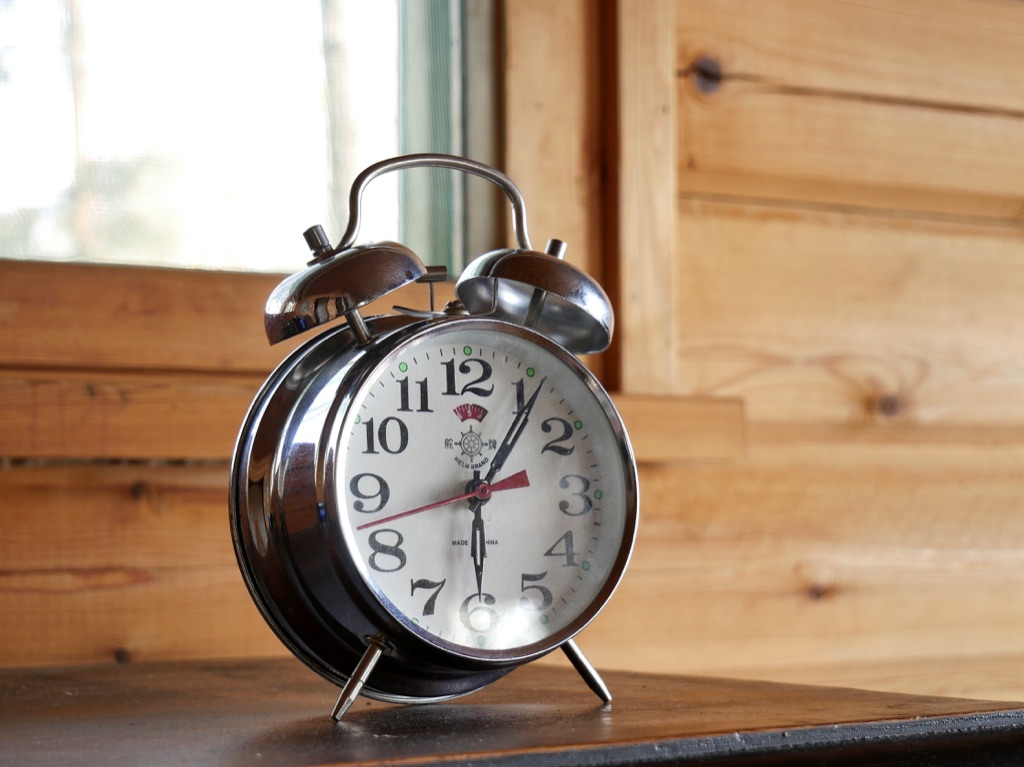
Based on reporting by Der Spiegel. Independently rewritten from the facts into graded German by Mitlesen — not a translation of the original article.
Sunday is 25 October. In the early hours of Sunday, Germany turns the clocks back. At 3 o'clock it is 2 o'clock again. Then winter time begins. Many people can sleep an hour longer. Many people do not like the clock change. 71 percent do not want it any more. A survey for the health insurer DAK shows this. But last year it was 76 percent. So the clock change bothers fewer people.
Zeitumstellung am Sonntag: Immer weniger Menschen stört der Wechsel in English
Am Sonntag ist der 25. Oktober. In der Nacht zum Sonntag stellt Deutschland die Uhren um. Um 3 Uhr ist es wieder 2 Uhr.
Sunday is 25 October. In the early hours of Sunday, Germany turns the clocks back. At 3 o'clock it is 2 o'clock again.
Dann beginnt die Winterzeit. Viele Menschen können eine Stunde länger schlafen.
Then winter time begins. Many people can sleep an hour longer.
Viele Menschen mögen die Zeitumstellung nicht. 71 Prozent wollen sie nicht mehr. Das zeigt eine Umfrage für die Krankenkasse DAK.
Many people do not like the clock change. 71 percent do not want it any more. A survey for the health insurer DAK shows this.
Im letzten Jahr waren es aber noch 76 Prozent. Die Zeitumstellung stört also weniger Menschen.
But last year it was 76 percent. So the clock change bothers fewer people.
In der Nacht zum Sonntag, dem 25. Oktober, stellt man in Deutschland die Uhren zurück. Um 3 Uhr ist es dann wieder 2 Uhr. So beginnt die Winterzeit, und viele Menschen können eine Stunde länger schlafen.
In the early hours of Sunday, 25 October, the clocks in Germany go back. At 3 o'clock, it becomes 2 o'clock again. That is when winter time begins, and many people can sleep an hour longer.
Die Zeitumstellung gibt es in Deutschland seit 1980. Man wollte damals das Tageslicht besser nutzen. Viele Menschen mögen den Wechsel aber nicht.
Germany has had the clock change since 1980. Back then, people wanted to make better use of daylight. But many people do not like the switch.
Das Institut Forsa hat für die Krankenkasse DAK-Gesundheit Ende September 1.009 Menschen befragt. 71 Prozent wollen die Zeitumstellung abschaffen. Im letzten Jahr waren es noch 76 Prozent.
The Forsa institute surveyed 1,009 people at the end of September for the health insurer DAK-Gesundheit. 71 percent want to abolish the clock change. Last year it was 76 percent.
Bei jungen Menschen zwischen 18 und 29 Jahren hat sich viel geändert. Im letzten Jahr waren 66 Prozent von ihnen gegen die Umstellung. Jetzt sind es nur noch 50 Prozent.
A lot has changed among young people between 18 and 29. Last year, 66 percent of them were against the clock change. Now it is only 50 percent.
Für manche Menschen ist die Umstellung aber anstrengend. 29 Prozent hatten schon einmal Probleme mit der Zeitumstellung. Die meisten von ihnen sind danach müde.
But some people find the clock change tiring. 29 percent have already had problems with the clock change. Most of them are tired afterwards.
In der Nacht zum Sonntag, dem 25. Oktober, werden in Deutschland die Uhren umgestellt. Um 3 Uhr springt die Zeit zurück auf 2 Uhr. Damit beginnt die Winterzeit, und viele können eine Stunde länger schlafen.
In the early hours of Sunday, 25 October, the clocks in Germany will be changed. At 3 o'clock the time jumps back to 2 o'clock. This marks the start of winter time, and many people can sleep an hour longer.
Die Zeitumstellung gibt es seit 1980; damals wollte man das Tageslicht besser nutzen. Lange war sie bei vielen Deutschen unbeliebt, doch das ändert sich langsam.
The clock change has existed since 1980; back then, the aim was to make better use of daylight. For a long time many Germans disliked it, but that is slowly changing.
Das Institut Forsa hat für die Krankenkasse DAK-Gesundheit Ende September 1.009 Menschen befragt. 71 Prozent möchten die Zeitumstellung abschaffen, das sind fünf Prozentpunkte weniger als im Vorjahr. So wenige waren es seit 2016 nicht mehr; im Jahr 2018 waren es sogar 80 Prozent.
The Forsa institute surveyed 1,009 people at the end of September for the health insurer DAK-Gesundheit. 71 percent would like to abolish the clock change, five percentage points lower than the year before. The figure has not been this low since 2016; in 2018 it was as high as 80 percent.
Am stärksten hat sich die Meinung der 18- bis 29-Jährigen verändert. In dieser Gruppe sind nur noch 50 Prozent gegen die Umstellung, im Vorjahr waren es 66 Prozent. 39 Prozent der jungen Leute finden den Wechsel sogar gut.
Opinion has changed most among 18- to 29-year-olds. In this group, only 50 percent are now against the clock change, compared with 66 percent the year before. 39 percent of young people even think the switch is a good thing.
Trotzdem hatten 29 Prozent der Befragten wegen der Zeitumstellung schon gesundheitliche oder psychische Probleme. Frauen sind mit 36 Prozent häufiger betroffen als Männer mit 22 Prozent. Die meisten Betroffenen fühlen sich danach müde, viele schlafen schlecht ein oder können sich schlechter konzentrieren.
Even so, 29 percent of those surveyed have already had health or psychological problems because of the clock change. Women are affected more often than men, at 36 percent compared with 22 percent. Most of those affected feel tired afterwards, and many have trouble falling asleep or find it harder to concentrate.
Bei einer Online-Befragung der EU im Jahr 2018 wollte eine große Mehrheit die Umstellung beenden. Die EU-Staaten können sich aber nicht einigen, ob die Winterzeit oder die Sommerzeit bleiben soll. Laut einer Studie wäre eine feste Winterzeit gesünder, aber viele mögen die langen Abende im Sommer.
In an online EU survey in 2018, a large majority wanted to end the clock change. But the EU countries cannot agree on whether winter time or summer time should stay. According to one study, permanent winter time would be healthier, but many people enjoy the long summer evenings.
In der Nacht zum Sonntag, dem 25. Oktober, werden in Deutschland wieder die Uhren umgestellt. Um 3 Uhr springt die Zeit zurück auf 2 Uhr. Damit beginnt die Winterzeit, und viele Menschen können eine Stunde länger schlafen.
In the early hours of Sunday, 25 October, the clocks in Germany will be changed again. At 3 o'clock the time jumps back to 2 o'clock. This marks the start of winter time, and many people can sleep an hour longer.
Die Zeitumstellung gibt es in Deutschland seit 1980. Damals wollte man das Tageslicht besser nutzen und so Energie sparen. Lange Zeit war der Wechsel bei vielen Deutschen sehr unbeliebt. Eine neue Umfrage zeigt jetzt aber, dass sich das langsam ändert.
Germany has had the clock change since 1980. Back then, the aim was to make better use of daylight and so save energy. For a long time, the switch was very unpopular with many Germans. But a new survey now shows that this is slowly changing.
Das Institut Forsa hat für die Krankenkasse DAK-Gesundheit Ende September 1.009 Menschen in ganz Deutschland befragt. 71 Prozent von ihnen möchten die Zeitumstellung immer noch abschaffen. Das sind allerdings fünf Prozentpunkte weniger als im letzten Jahr. Einen so niedrigen Wert hat es seit 2016 nicht mehr gegeben. Im Jahr 2018 waren sogar 80 Prozent gegen den Wechsel.
The Forsa institute surveyed 1,009 people across Germany at the end of September for the health insurer DAK-Gesundheit. 71 percent of them still want to abolish the clock change. However, that is five percentage points lower than last year. The figure has not been this low since 2016. In 2018, as many as 80 percent were against the switch.
Besonders stark hat sich die Meinung junger Erwachsener zwischen 18 und 29 Jahren verändert. In dieser Gruppe wollen nur noch 50 Prozent die Umstellung loswerden, im Vorjahr waren es 66 Prozent. Außerdem finden 39 Prozent der jungen Leute den Wechsel zwischen Sommer- und Winterzeit gut.
The views of young adults between 18 and 29 have changed particularly sharply. In this group, only 50 percent still want to get rid of the clock change, compared with 66 percent the year before. What is more, 39 percent of young people think the switch between summer and winter time is a good thing.
Für manche Menschen bleibt die neue Zeit trotzdem anstrengend. 29 Prozent der Befragten hatten wegen der Zeitumstellung schon einmal gesundheitliche oder psychische Probleme. Bei Frauen sind es 36 Prozent, bei Männern nur 22 Prozent. Die meisten Betroffenen fühlen sich danach müde und schlapp. Viele schlafen schlecht ein oder können sich schlechter konzentrieren. Manche sind gereizt oder fühlen sich niedergeschlagen.
Even so, some people still find it hard to adjust to the new time. 29 percent of those surveyed have already had health or psychological problems because of the clock change. Among women the figure is 36 percent, among men only 22 percent. Most of those affected feel tired and drained afterwards. Many have trouble falling asleep or find it harder to concentrate. Some feel irritable or low.
Auch in der Europäischen Union hat man schon über ein Ende der Zeitumstellung diskutiert. Bei einer Online-Befragung im Jahr 2018 stammten rund drei Millionen der insgesamt 4,6 Millionen Antworten aus Deutschland. Eine große Mehrheit wollte die Umstellung damals beenden. Doch die EU-Staaten streiten bis heute darüber, welche Zeit bleiben soll: die Winterzeit oder die Sommerzeit. Laut einer Studie wäre eine feste Winterzeit gesünder, weil das Licht am Morgen dem Körper hilft. Wer die Sommerzeit mag, freut sich dagegen über lange, helle Abende.
The European Union has also discussed ending the clock change. In an online survey in 2018, around three million of a total of 4.6 million responses came from Germany. At the time, a large majority wanted to end the clock change. But to this day, the EU countries disagree about which time should stay: winter time or summer time. According to one study, permanent winter time would be healthier because morning light helps the body. Those who prefer summer time, on the other hand, enjoy long, light evenings.
Read on in the app
Audio narration, tap-to-translate and flashcards — and a fresh German article every day.
Every German sentence is paired with its English translation — read the German on its own, or check the English line by line. In the app the same text also reads in Persian, Turkish and Arabic.