 Mitlesen
Als die Deutschen selbst Auswanderer waren
When the Germans were the emigrants
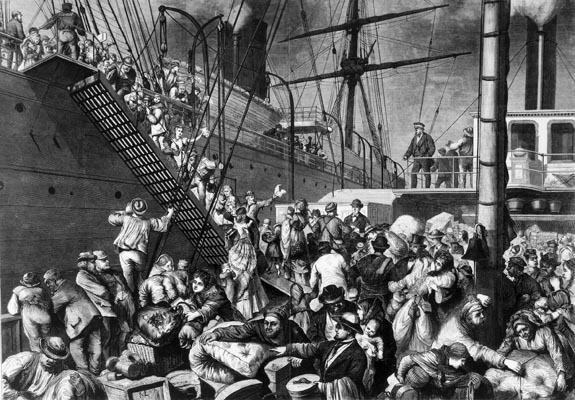
Based on reporting by Deutsche Welle. Independently rewritten from the facts into graded German by Mitlesen — not a translation of the original article.
Today many people come to Germany. It used to be quite different. Back then there were many emigrants from Germany. In the 19th century life was often hard. There was little work and little food. That is why there were six million emigrants to America. Today Germany is a country of immigration. In 2025, 21.8 million people had an immigration history. That is 26.3 percent of all people in Germany. Germany was a country of emigration for a long time. Today it is a country of immigration.
Als die Deutschen selbst Auswanderer waren in English
Heute kommen viele Menschen nach Deutschland. Früher war das ganz anders. Damals gab es viele Auswanderer aus Deutschland.
Today many people come to Germany. It used to be quite different. Back then there were many emigrants from Germany.
Im 19. Jahrhundert war das Leben oft hart. Es gab wenig Arbeit und wenig Essen. Darum gab es sechs Millionen Auswanderer nach Amerika.
In the 19th century life was often hard. There was little work and little food. That is why there were six million emigrants to America.
Heute ist Deutschland ein Einwanderungsland. 2025 hatten 21,8 Millionen Menschen eine Einwanderungsgeschichte. Das sind 26,3 Prozent von allen Menschen in Deutschland.
Today Germany is a country of immigration. In 2025, 21.8 million people had an immigration history. That is 26.3 percent of all people in Germany.
Deutschland war lange ein Auswanderungsland. Heute ist es ein Einwanderungsland.
Germany was a country of emigration for a long time. Today it is a country of immigration.
Heute kommen viele Menschen nach Deutschland. Früher war es umgekehrt: Viele Deutsche haben ihr Land verlassen.
Today many people come to Germany. It used to be the other way round: many Germans left their country.
Im 19. Jahrhundert gab es in Deutschland wenig Arbeit und oft Hunger. Rund sechs Millionen Deutsche sind deshalb nach Amerika ausgewandert. Die Reise mit dem Schiff war sehr teuer. Sie hat oft so viel gekostet wie ein ganzes Jahresgehalt.
In the 19th century there was little work and often hunger in Germany. Around six million Germans therefore emigrated to America. The journey by ship was very expensive. It often cost as much as a whole year's wages.
In der Mitte des 20. Jahrhunderts hat sich die Richtung gedreht. Ab 1956 hat Westdeutschland Arbeitskräfte aus dem Ausland angeworben. Bis 1973 sind rund 14 Millionen Arbeitskräfte gekommen. Ungefähr drei Millionen von ihnen sind geblieben.
In the middle of the 20th century the direction reversed. From 1956 West Germany recruited workers from abroad. By 1973 around 14 million workers had come. About three million of them stayed.
Heute ist Deutschland ein Einwanderungsland. 2025 hatten 21,8 Millionen Menschen eine Einwanderungsgeschichte. Das sind 26,3 Prozent der Bevölkerung.
Today Germany is a country of immigration. In 2025, 21.8 million people had an immigration history. That is 26.3 percent of the population.
Deutschland war lange ein Auswanderungsland. Heute ist es ein Einwanderungsland.
Germany was a country of emigration for a long time. Today it is a country of immigration.
Wenn heute über Zuwanderung gestritten wird, gerät eine Tatsache leicht in Vergessenheit. Lange Zeit war Deutschland kein Ziel, sondern ein Ausgangspunkt.
When immigration is argued about today, one fact is easily forgotten. For a long time Germany was not a destination but a point of departure.
Im 19. Jahrhundert wanderten rund sechs Millionen Deutsche nach Amerika aus. Die Bevölkerung wuchs stark, Arbeit war knapp, dazu kamen Missernten und Hunger. Eine Überfahrt mit dem Segelschiff kostete ungefähr das Jahresgehalt eines Handwerkers. Viele Familien verkauften dafür ihren gesamten Besitz.
In the 19th century around six million Germans emigrated to America. The population was growing fast, work was scarce, and there were crop failures and hunger as well. A crossing by sailing ship cost roughly a craftsman's annual wage. Many families sold everything they owned to pay for it.
Auch der Ton gegenüber den Deutschen war rau. Im 18. Jahrhundert warf Benjamin Franklin ihnen vor, sie würden Sprache und Sitten des Landes nie annehmen.
The tone towards Germans was harsh too. In the 18th century Benjamin Franklin accused them of never adopting the country's language and customs.
Deutschland war dabei kein Sonderfall. Zwischen 1800 und dem Ersten Weltkrieg verließen etwa 60 Millionen Menschen Europa. Der Historiker Jochen Oltmer nennt Migration einen Normalfall der menschlichen Geschichte.
Germany was not a special case in this. Between 1800 and the First World War about 60 million people left Europe. The historian Jochen Oltmer calls migration a normal part of human history.
Erst in der Mitte des 20. Jahrhunderts drehte sich die Richtung um. Ab 1956 kamen Arbeitskräfte aus Italien, Griechenland, Spanien, Portugal, Jugoslawien und der Türkei. Bis zum Anwerbestopp 1973 waren es rund 14 Millionen. Ungefähr drei Millionen richteten sich dauerhaft ein. Als Einwanderungsland verstand sich die Bundesrepublik trotzdem lange nicht.
Only in the middle of the 20th century did the direction reverse. From 1956 workers came from Italy, Greece, Spain, Portugal, Yugoslavia and Turkey. By the time of the recruitment ban in 1973 there were around 14 million of them. About three million settled permanently. Even so, West Germany did not see itself as a country of immigration for a long time.
Die Zahlen von heute erzählen eine andere Geschichte. Nach Angaben des Statistischen Bundesamtes lebten 2025 rund 21,8 Millionen Menschen mit Einwanderungsgeschichte in Deutschland. Das sind 26,3 Prozent der Bevölkerung.
Today's figures tell a different story. According to the Federal Statistical Office, 21.8 million people with an immigration history were living in Germany in 2025. That is 26.3 percent of the population.
Von ihnen sind 16,4 Millionen selbst eingewandert. Am häufigsten wurden sie in Polen, der Türkei, der Ukraine, Russland oder Syrien geboren. Ohne die wachsende Zuwanderung wäre die Bevölkerung 2025 deutlich geschrumpft.
Of those, 16.4 million immigrated themselves. Most of them were born in Poland, Turkey, Ukraine, Russia or Syria. Without the growing immigration the population would have shrunk markedly in 2025.
Wenn heute über Zuwanderung gestritten wird, gerät eine Tatsache leicht in Vergessenheit: Lange Zeit war Deutschland kein Ziel, sondern ein Ausgangspunkt. Millionen Menschen verließen das Land.
When immigration is argued about today, one fact is easily forgotten: for a long time Germany was not a destination but a point of departure. Millions of people left the country.
Im 19. Jahrhundert wanderten rund sechs Millionen Deutsche nach Amerika aus. Die Gründe klingen vertraut. Die Bevölkerung wuchs stark, Arbeit war knapp, dazu kamen Missernten und Hunger. Viele Familien sahen für ihre Kinder keine Zukunft mehr.
In the 19th century around six million Germans emigrated to America. The reasons sound familiar. The population was growing fast, work was scarce, and there were crop failures and hunger as well. Many families no longer saw a future for their children.
Billig war die Reise nicht. Eine Überfahrt mit dem Segelschiff kostete ungefähr so viel wie ein Handwerker im Jahr verdiente. Wer mitwollte, verkaufte oft seinen gesamten Besitz. An Bord lebten die Auswanderer wochenlang dicht gedrängt unter Deck, und viele erkrankten unterwegs schwer.
The journey was not cheap. A crossing by sailing ship cost roughly as much as a craftsman earned in a year. Those who wanted to go often sold everything they owned. On board the emigrants lived for weeks packed tightly below deck, and many fell seriously ill on the way.
Auch der Ton gegenüber den Deutschen war rau. Im 18. Jahrhundert warf Benjamin Franklin ihnen vor, sie kämen in Scharen und würden Sprache und Sitten des Landes niemals annehmen. Heute lesen sich solche Sätze wie ein Echo aus einer anderen Debatte.
The tone towards Germans was harsh too. In the 18th century Benjamin Franklin accused them of arriving in droves and never adopting the country's language and customs. Today such sentences read like an echo from another debate.
Deutschland war dabei kein Sonderfall. Zwischen 1800 und dem Ersten Weltkrieg verließen nach Schätzungen etwa 60 Millionen Menschen den europäischen Kontinent. Der Historiker Jochen Oltmer sieht darin nichts Ungewöhnliches: Migration sei kein modernes Phänomen, sondern ein Normalfall der menschlichen Geschichte.
Germany was not a special case in this. Between 1800 and the First World War an estimated 60 million people left the European continent. The historian Jochen Oltmer sees nothing unusual in that: migration, he says, is not a modern phenomenon but a normal part of human history.
Erst in der Mitte des 20. Jahrhunderts drehte sich die Richtung um. Ab 1956 hielten in Stuttgart, Dortmund und Köln Züge mit Arbeitskräften aus Italien, Griechenland, Spanien, Portugal, Jugoslawien und der Türkei. Erst der Anwerbestopp von 1973 beendete diese Phase. Bis dahin waren rund 14 Millionen dieser Arbeitskräfte gekommen. Ungefähr drei Millionen richteten sich dauerhaft ein.
Only in the middle of the 20th century did the direction reverse. From 1956 trains carrying workers from Italy, Greece, Spain, Portugal, Yugoslavia and Turkey stopped in Stuttgart, Dortmund and Cologne. It was the recruitment ban of 1973 that ended this phase. By then around 14 million of these workers had come. About three million settled permanently.
Als Einwanderungsland verstand sich die Bundesrepublik trotzdem lange nicht. Man ging davon aus, dass die Angeworbenen ohnehin wieder gehen würden. Um ihre Zukunft im Land kümmerte sich deshalb kaum jemand.
Even so, West Germany did not see itself as a country of immigration for a long time. The assumption was that those recruited would leave again anyway. Hardly anyone therefore concerned themselves with their future in the country.
Die Zahlen von heute erzählen eine andere Geschichte. Nach Angaben des Statistischen Bundesamtes lebten 2025 rund 21,8 Millionen Menschen mit Einwanderungsgeschichte in Deutschland. Das entspricht 26,3 Prozent der Bevölkerung. Als eingewandert gilt, wer selbst seit 1950 nach Deutschland gekommen ist oder zwei eingewanderte Eltern hat.
Today's figures tell a different story. According to the Federal Statistical Office, 21.8 million people with an immigration history were living in Germany in 2025. That corresponds to 26.3 percent of the population. A person counts as having immigrated if they have come to Germany themselves since 1950 or have two immigrant parents.
Von diesen Menschen sind 16,4 Millionen selbst eingewandert. Am häufigsten wurden sie in Polen, der Türkei, der Ukraine, Russland oder Syrien geboren. Im Schnitt sind sie 38,2 Jahre alt und damit rund neun Jahre jünger als die Bevölkerung ohne Einwanderungsgeschichte.
Of these people, 16.4 million immigrated themselves. Most of them were born in Poland, Turkey, Ukraine, Russia or Syria. On average they are 38.2 years old, around nine years younger than the population without an immigration history.
Ein Detail fällt dabei besonders auf. Ohne die wachsende Zahl der Menschen mit Einwanderungsgeschichte wäre die Bevölkerung 2025 nicht leicht, sondern deutlich geschrumpft.
One detail stands out in particular. Without the growing number of people with an immigration history, the population in 2025 would have shrunk not slightly but markedly.
Read on in the app
Audio narration, tap-to-translate and flashcards — and a fresh German article every day.
Every German sentence is paired with its English translation — read the German on its own, or check the English line by line. In the app the same text also reads in Persian, Turkish and Arabic.