 Mitlesen
Zuckersteuer: Auch Light-Getränke sollen teurer werden
Sugar tax: light drinks set to get more expensive too
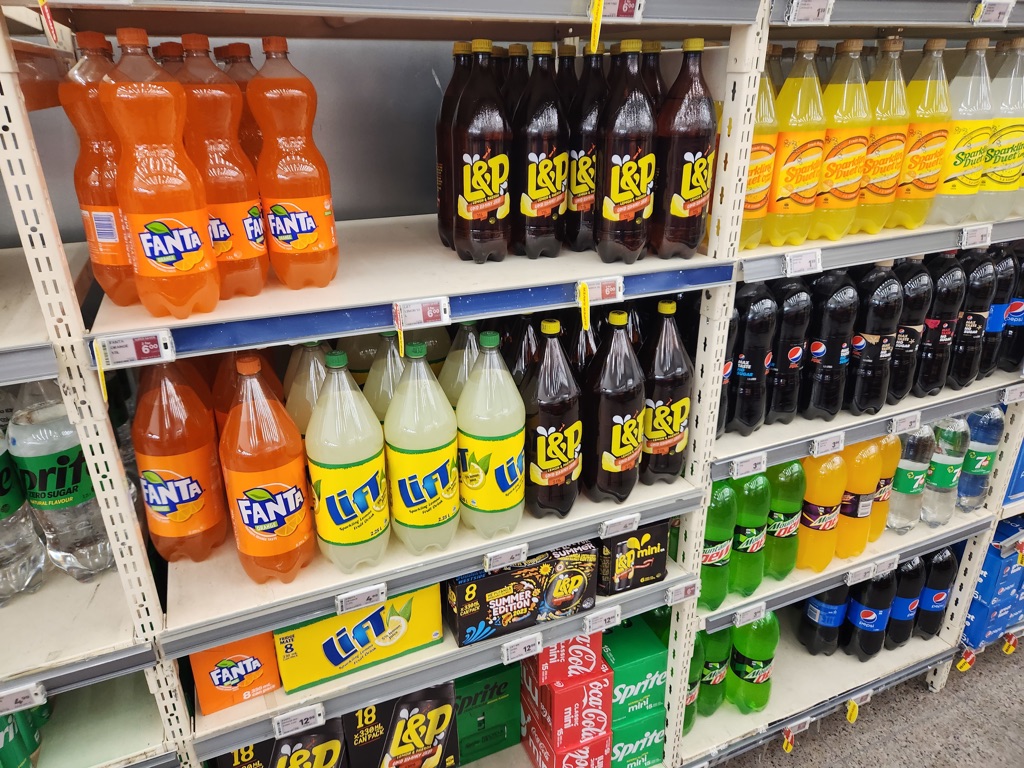
Based on reporting by tagesschau (ARD). Independently rewritten from the facts into graded German by Mitlesen — not a translation of the original article.
Cola and lemonade will soon be more expensive in Germany. The federal government is planning a new tax on sweet drinks. The tax is due to arrive in 2027. The tax is not the same for all drinks. A litre will then cost 26 to 38 cents more. With a lot of sugar, the tax is high. Light drinks are also set to become more expensive. They have no sugar, but they do have sweetener. That is why customers pay more here too.
Zuckersteuer: Auch Light-Getränke sollen teurer werden in English
Cola und Limonade werden in Deutschland bald teurer. Die Bundesregierung plant eine neue Steuer auf süße Getränke. Die Steuer soll 2027 kommen.
Cola and lemonade will soon be more expensive in Germany. The federal government is planning a new tax on sweet drinks. The tax is due to arrive in 2027.
Die Steuer ist nicht für alle Getränke gleich. Ein Liter kostet dann 26 bis 38 Cent mehr. Bei viel Zucker ist die Steuer hoch.
The tax is not the same for all drinks. A litre will then cost 26 to 38 cents more. With a lot of sugar, the tax is high.
Auch Light-Getränke sollen teurer werden. Sie haben keinen Zucker, aber sie haben Süßstoff. Darum zahlen die Kunden auch hier mehr.
Light drinks are also set to become more expensive. They have no sugar, but they do have sweetener. That is why customers pay more here too.
Süße Getränke werden in Deutschland teurer. Die Bundesregierung plant eine Steuer auf Zucker in Getränken. Die Steuer soll ab 2027 gelten. Ein Papier aus dem Finanzministerium zeigt die Pläne.
Sweet drinks are becoming more expensive in Germany. The federal government is planning a tax on sugar in drinks. The tax is due to apply from 2027. A paper from the finance ministry sets out the plans.
Finanzminister Lars Klingbeil will viele Getränke besteuern. Auf der Liste stehen Limonaden, Smoothies, Schorlen und Haferdrinks. Auch alkoholfreies Bier und Getränke mit Süßstoff gehören dazu. Reiner Fruchtsaft und reine Milch bleiben aber steuerfrei.
Finance Minister Lars Klingbeil wants to tax many drinks. The list includes fizzy drinks, smoothies, spritzers and oat drinks. Alcohol-free beer and drinks with sweetener are included as well. Pure fruit juice and pure milk, however, stay tax-free.
Wie hoch die Steuer ist, hängt vom Zucker ab. Ein Liter kostet 26 bis 38 Cent mehr.
How high the tax is depends on the sugar. A litre costs 26 to 38 cents more.
Die Regierung hat zwei Ziele. Die Menschen sollen weniger Zucker trinken. Und der Staat braucht Geld für die Krankenkassen. Im ersten Jahr erwartet das Finanzministerium 650 Millionen Euro.
The government has two goals. People should drink less sugar. And the state needs money for the health insurance funds. In the first year the finance ministry expects 650 million euros.
Nicht alle finden die Pläne gut. Das Landwirtschaftsministerium ist gegen die lange Liste.
Not everyone thinks the plans are good. The agriculture ministry is against the long list.
Wer im Supermarkt zur Cola greift, zahlt ab 2027 wahrscheinlich mehr. Die Bundesregierung plant eine Steuer auf süße Getränke. Ein Papier aus dem Finanzministerium zeigt jetzt, wie diese Steuer aussehen könnte.
Anyone reaching for a cola in the supermarket will probably pay more from 2027. The federal government is planning a tax on sweet drinks. A paper from the finance ministry now shows what this tax could look like.
Finanzminister Lars Klingbeil will nicht nur Limonaden besteuern. Auf der Liste stehen auch Smoothies, Schorlen, Haferdrinks und alkoholfreies Bier. Sogar Getränke ohne Zucker sind dabei, wenn sie Süßstoff enthalten. Reiner Fruchtsaft und reine Milch bleiben steuerfrei.
Finance Minister Lars Klingbeil does not want to tax only fizzy drinks. The list also includes smoothies, spritzers, oat drinks and alcohol-free beer. Even drinks without sugar are covered if they contain sweetener. Pure fruit juice and pure milk stay tax-free.
Wie hoch die Steuer ist, hängt vom Zuckergehalt ab. Ab 4,5 Gramm Zucker pro 100 Milliliter werden 26 Cent pro Liter fällig. Bei mehr Zucker steigt die Steuer auf 32 oder 38 Cent. Eine Zwei-Liter-Flasche Cola kostet dann 2,83 Euro statt 2,19 Euro.
How high the tax is depends on the sugar content. From 4.5 grams of sugar per 100 millilitres, 26 cents per litre are due. With more sugar the tax rises to 32 or 38 cents. A two-litre bottle of cola then costs 2.83 euros instead of 2.19 euros.
Die Regierung hat zwei Ziele. Erstens sollen die Menschen weniger Zucker trinken. In anderen Ländern haben die Hersteller nach solchen Steuern weniger Zucker verwendet. Zweitens braucht der Staat Geld für die Krankenkassen. Das Finanzministerium rechnet im ersten Jahr mit 650 Millionen Euro.
The government has two goals. First, people should drink less sugar. In other countries manufacturers used less sugar after taxes like this. Second, the state needs money for the health insurance funds. The finance ministry expects 650 million euros in the first year.
In der Regierung gibt es aber Streit. Das Landwirtschaftsministerium lehnt die lange Liste ab. Pflanzendrinks liefern zum Beispiel wichtige Nährstoffe wie Kalzium und Jod. Es warnt außerdem: Wenn alkoholfreies Bier teurer wird, greifen manche Kunden wieder zu Alkohol. Das Ministerium rechnet mit Einnahmen von zwei Milliarden Euro und damit mit viel mehr Geld als nötig.
Within the government, however, there is a dispute. The agriculture ministry rejects the long list. Plant-based drinks, for example, provide important nutrients such as calcium and iodine. It also warns: if alcohol-free beer becomes more expensive, some customers will reach for alcohol again. The ministry expects revenue of two billion euros and therefore far more money than necessary.
Gesundheitsverbände begrüßen die Steuer. In der Union gibt es dagegen Widerstand. Entschieden ist noch nichts.
Health associations welcome the tax. In the CDU/CSU, by contrast, there is resistance. Nothing has been decided yet.
Wer im Supermarkt zur Cola greift, muss ab 2027 wahrscheinlich mehr bezahlen. Die Bundesregierung plant eine Steuer auf Getränke mit Zucker. Ein Papier aus dem Bundesfinanzministerium zeigt jetzt, wie diese Steuer aussehen könnte.
Anyone reaching for a cola in the supermarket will probably have to pay more from 2027. The federal government is planning a tax on drinks containing sugar. A paper from the federal finance ministry now shows what this tax could look like.
Der Plan von Finanzminister Lars Klingbeil geht deutlich weiter, als viele erwartet hatten. Besteuert werden sollen nicht nur Limonaden. Auf der Liste stehen auch Smoothies, Schorlen, Säfte aus Konzentrat, Haferdrinks, Milchmischgetränke sowie alkoholfreies Bier und alkoholfreier Wein. Sogar Getränke ohne Zucker wären betroffen, wenn sie Süßstoff enthalten. Reiner Fruchtsaft und reine Milch bleiben dagegen steuerfrei.
The plan by Finance Minister Lars Klingbeil goes considerably further than many had expected. It is not only fizzy drinks that are to be taxed. The list also includes smoothies, spritzers, juices from concentrate, oat drinks, milk-mixed drinks as well as alcohol-free beer and alcohol-free wine. Even drinks without sugar would be affected if they contain sweetener. Pure fruit juice and pure milk, by contrast, stay tax-free.
Wie hoch die Steuer ausfällt, hängt vom Zuckergehalt ab. Ab 4,5 Gramm Zucker pro 100 Milliliter werden 26 Cent pro Liter fällig, ab sieben Gramm 32 Cent und ab zehn Gramm 38 Cent. Für eine Zwei-Liter-Flasche Cola bedeutet das einen Preis von 2,83 Euro statt 2,19 Euro.
How high the tax turns out to be depends on the sugar content. From 4.5 grams of sugar per 100 millilitres, 26 cents per litre are due, from seven grams 32 cents and from ten grams 38 cents. For a two-litre bottle of cola that means a price of 2.83 euros instead of 2.19 euros.
Die Regierung verfolgt damit zwei Ziele. Erstens sollen die Menschen weniger Zucker trinken. In anderen Ländern haben die Hersteller nach ähnlichen Steuern den Zuckergehalt in ihren Produkten gesenkt. Zweitens braucht der Staat Geld für die Krankenkassen. Das Finanzministerium rechnet im ersten Jahr mit rund 650 Millionen Euro.
With this the government is pursuing two goals. First, people should drink less sugar. In other countries manufacturers lowered the sugar content of their products after similar taxes. Second, the state needs money for the health insurance funds. The finance ministry expects around 650 million euros in the first year.
Innerhalb der Regierung gibt es allerdings Streit. Das Landwirtschaftsministerium lehnt die lange Liste ab und nennt den Vorschlag widersprüchlich. Pflanzendrinks und Milchmischgetränke liefern wichtige Nährstoffe wie Kalzium und Jod. Und wenn alkoholfreies Bier teurer wird, greifen manche Kunden am Ende vielleicht wieder zur Flasche mit Alkohol. Das Ministerium rechnet außerdem mit Einnahmen von zwei Milliarden Euro und damit mit viel mehr Geld, als die Krankenkassen brauchen.
Within the government, however, there is a dispute. The agriculture ministry rejects the long list and calls the proposal contradictory. Plant-based drinks and milk-mixed drinks provide important nutrients such as calcium and iodine. And if alcohol-free beer becomes more expensive, some customers may in the end reach for the bottle with alcohol again. The ministry also expects revenue of two billion euros and therefore far more money than the health insurance funds need.
Gesundheits- und Verbraucherverbände begrüßen die Steuer seit Langem. In der Union gibt es dagegen Widerstand, weil die Abgabe die Wirtschaft belastet. Entschieden ist noch nichts: Zuerst müssen sich die Ministerien einigen, danach berät der Bundestag über das Gesetz.
Health and consumer associations have welcomed the tax for a long time. In the CDU/CSU, by contrast, there is resistance, because the levy burdens the economy. Nothing has been decided yet: first the ministries have to agree, then the Bundestag debates the law.
Read on in the app
Audio narration, tap-to-translate and flashcards — and a fresh German article every day.
Every German sentence is paired with its English translation — read the German on its own, or check the English line by line. In the app the same text also reads in Persian, Turkish and Arabic.